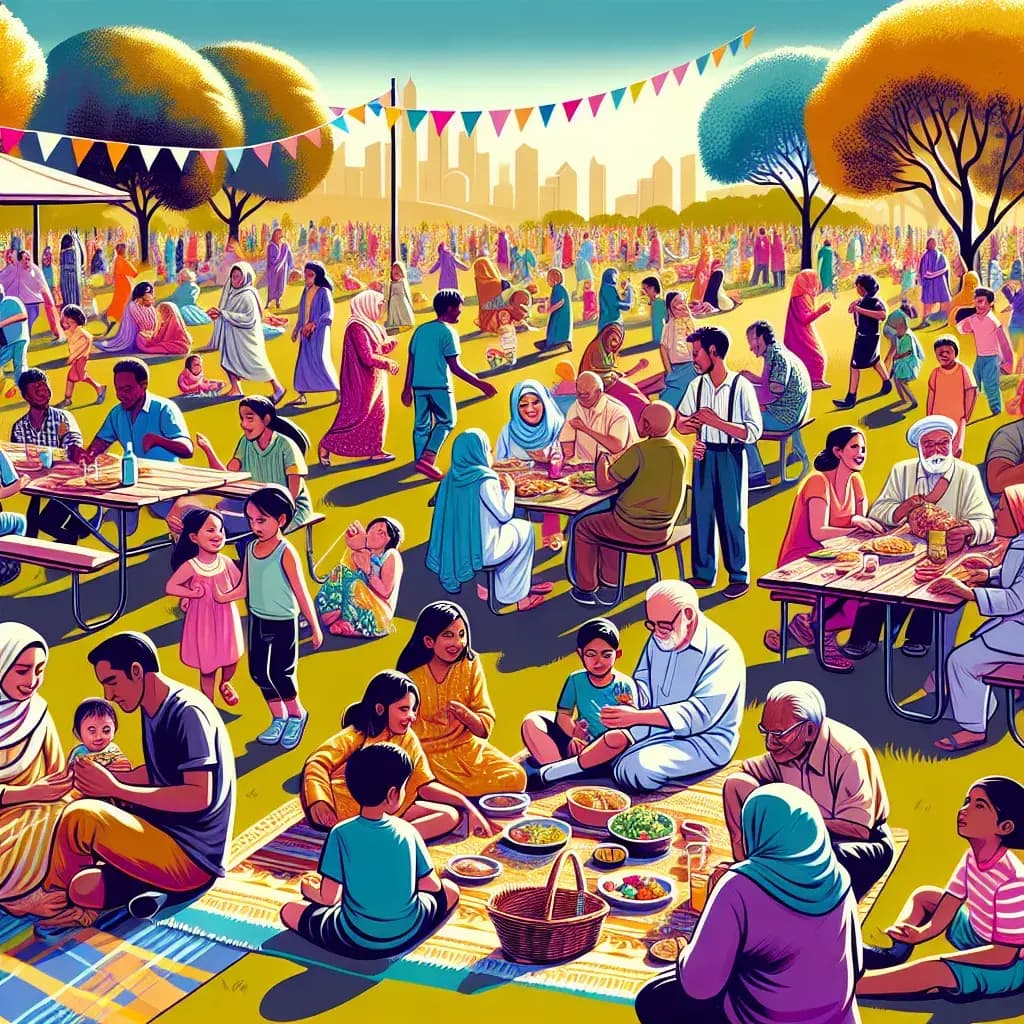
Understanding Community and Society
Definition of Community
A community can be defined as a group of individuals who share common interests, values, or characteristics and who interact with one another within a defined geographic area or social setting. Communities can be formed based on various criteria, such as culture, ethnicity, religion, profession, or shared interests. The key aspect of a community is the sense of belonging and the mutual connection among its members, which fosters social ties and collective identity.
Definition of Society
Society, on the other hand, refers to a broader network of individuals and groups that are interconnected through relationships, institutions, and cultural norms. It encompasses all communities within a particular geographical area or social framework and is characterized by complex social structures. Society is often defined by its institutions—like family, education, government, and economy—that work together to maintain order and promote the welfare of its members.
Difference Between Community and Society
While the terms 'community' and 'society' are often used interchangeably, they represent different concepts. Communities are more localized and focused on personal relationships, shared values, and mutual support among a smaller group of people. In contrast, society is a larger, more complex entity that encompasses multiple communities and operates at a macro level. Here are some key differences:
- Size:Communities are smaller and more intimate, whereas societies are larger and more diverse.
- Interaction:Community interactions are generally direct and personal, while societal interactions can be indirect and mediated through institutions.
- Focus:Communities often focus on shared interests or goals, while societies encompass a wider range of interests and social dynamics.
- Structure:Communities may have informal structures, while societies are often characterized by formal institutions and established norms.
The Role of Community in Society
Social Cohesion and Support
Communities play a critical role in fostering social cohesion and support among their members. When individuals feel connected to their community, they are more likely to engage in supportive behaviors, such as helping neighbors, volunteering, or participating in community events. This sense of belonging can lead to:
- Emotional Support:Community members often provide emotional support to one another during times of crisis or hardship.
- Practical Assistance:Neighbors may offer practical help, such as childcare, transportation, or sharing resources.
- Network Building:Strong communities facilitate the development of social networks that can lead to professional opportunities and collaborations.
Cultural Identity and Preservation
Communities are essential for the preservation and promotion of cultural identities. They provide a space for individuals to express their cultural heritage, traditions, and values. Through community events, celebrations, and shared practices, cultural differences are embraced and celebrated, contributing to:
- Cultural Education:Community members can learn from each other's traditions and histories, fostering a deeper understanding and appreciation of diversity.
- Continuity of Traditions:Communities help maintain cultural practices and languages that might otherwise fade in a globalized world.
- Identity Formation:A strong community identity can instill pride and a sense of belonging among its members.
Community Engagement and Participation
Active community engagement is vital for a vibrant society. When individuals participate in community activities, they not only contribute to the community's well-being but also enhance their own sense of purpose and fulfillment. Participation can take various forms:
- Volunteering:Offering time and skills to community organizations or initiatives.
- Advocacy:Engaging in social or political activities to address community issues.
- Participation in Local Governance:Taking part in local decision-making processes and discussions.
Types of Communities
Geographical Communities
Geographical communities are defined by their physical location. Members of these communities live in close proximity to one another and share common public spaces and resources. Examples include:
- Neighborhoods:Residential areas where people live close together, fostering local relationships.
- Towns and Cities:Larger entities that encompass various neighborhoods and communities.
- Rural Communities:Smaller, often agricultural areas where social interactions are more intimate.
Interest-based Communities
Interest-based communities are formed around shared interests, hobbies, or professions. These communities may not be geographically defined but thrive on common passions and pursuits. Examples include:
- Sports Teams:Groups formed around a shared love for a particular sport, fostering camaraderie among players and fans.
- Professional Associations:Networks of individuals within the same profession who share knowledge and resources.
- Hobbyist Groups:Communities centered on specific hobbies, such as gardening, crafting, or gaming.
Online and Virtual Communities
With the rise of the internet, online and virtual communities have become increasingly significant. These communities transcend geographical boundaries and connect individuals based on shared interests, ideologies, or goals. Examples include:
- Social Media Groups:Platforms where users can join groups based on shared interests, facilitating discussions and connections.
- Online Forums and Discussion Boards:Spaces for individuals to exchange ideas and seek advice on specific topics.
- Gaming Communities:Online platforms where gamers connect, collaborate, and compete, often forming lasting friendships.
Challenges Facing Modern Communities
Urbanization and Displacement
Urbanization presents significant challenges for communities, particularly in rapidly growing cities. As people flock to urban areas for better opportunities, established communities often face issues such as:
- Displacement:Long-term residents may be forced out of their homes due to rising rents and gentrification.
- Loss of Community Identity:The influx of newcomers can dilute the cultural heritage and identity of existing communities.
- Infrastructure Strain:Increased population density can strain public services, housing, and transportation systems.
Social Media and Isolation
While social media has the potential to connect individuals across vast distances, it can also contribute to feelings of isolation and disconnection within communities. Issues arising from social media use include:
- Superficial Connections:Online interactions may lack the depth and authenticity of face-to-face relationships.
- Cyberbullying:Online harassment can damage community relationships and create a hostile environment.
- Reduced Physical Interaction:Overreliance on digital communication can lead to decreased participation in real-life community events.
Economic Inequality
Economic inequality poses a significant challenge to community cohesion. As disparities in wealth and resources grow, communities may experience:
- Social Fragmentation:Economic divides can create rifts between different groups within a community.
- Limited Access to Resources:Underprivileged communities may struggle to access essential services, such as education and healthcare.
- Increased Crime Rates:Economic hardship can lead to higher crime rates, eroding trust and safety within communities.
The Future of Community and Society
Emerging Trends in Community Building
As society evolves, so do the ways in which communities are formed and maintained. Emerging trends in community building include:
- Intentional Communities:Groups formed around specific values, lifestyles, or goals, such as co-housing or eco-villages.
- Pop-up Communities:Temporary gatherings or events that create a sense of community for a limited time.
- Community Resilience Initiatives:Programs aimed at building stronger, more adaptable communities in response to crises.
Technology’s Impact on Social Interaction
Technology continues to reshape how communities interact and function. The impact of technology on social interaction includes:
- Increased Connectivity:Technology allows for instant communication and collaboration across distances.
- Access to Information:Digital platforms provide resources and knowledge that empower community members.
- Challenges to Privacy:With increased connectivity comes concerns about data privacy and the potential for surveillance.
Strategies for Strengthening Communities
To ensure that communities remain strong and resilient in the face of modern challenges, various strategies can be employed:
- Encouraging Local Engagement:Create opportunities for community members to participate in local decision-making processes.
- Fostering Inclusivity:Ensure that all community members, regardless of background, feel welcomed and valued.
- Investing in Community Infrastructure:Support the development of parks, community centers, and other public spaces that promote social interaction.
- Leveraging Technology Positively:Utilize digital tools to enhance communication and collaboration among community members.
In conclusion, understanding the intricate relationship between community and society is vital for fostering a harmonious and supportive environment. By recognizing the roles communities play in enhancing social cohesion, preserving cultural identities, and encouraging participation, we can work towards addressing the challenges they face and building a brighter future for all.